
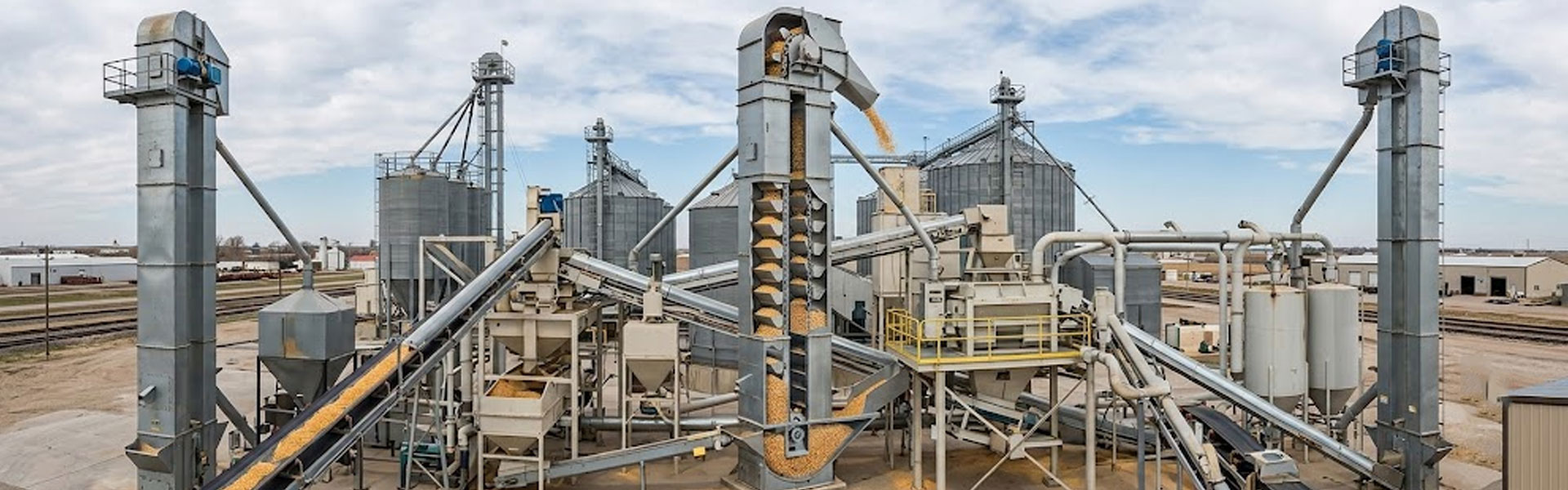
Bucket Elevator Manufacturer
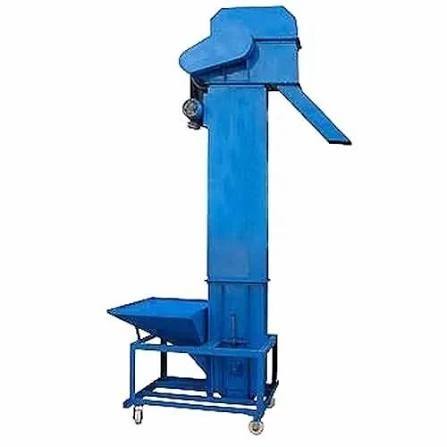
About Bucket Elevators
A Bucket Elevator is a material-handling system designed to transport bulk materials vertically from a lower feeding point to an elevated discharge location. It uses a series of buckets attached to a belt or chain that moves continuously within an enclosed or guided structure. Bucket Elevators are widely used in industries where materials must be transferred between different processing levels with controlled movement and efficient use of floor space.
Annovaa Industries Pvt. Ltd. caters to industrial requirements for Bucket Elevators used in material handling, processing plants, storage facilities and manufacturing operations. These systems can be selected according to the characteristics of the material, required conveying capacity, lifting height and operating conditions. Businesses looking for bucket elevator solutions in West Bengal, Kolkata, Jharkhand, Odisha, Assam and Chhattisgarh can discuss their application requirements to identify a suitable configuration for their facilities.
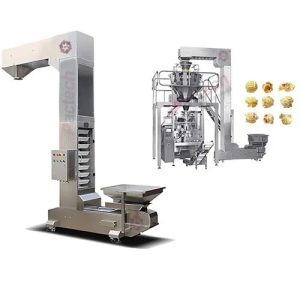
Product Specifications & Features of Bucket Elevators
Selecting an appropriate Bucket Elevator requires attention to its conveying mechanism, operating capacity, construction and discharge arrangement. The specifications should correspond to the material being handled and the production process.
Key features and technical considerations include:
- Vertical Conveying Arrangement:Designed to move bulk materials from lower levels to elevated processing or storage points.
- Bucket Configuration:Bucket shape, size and spacing selected according to material characteristics and required throughput.
- Belt or Chain Mechanism:The conveying medium is chosen based on load, material type, operating speed and service conditions.
- Conveying Capacity:Specified according to the quantity of material that must be handled per hour.
- Lifting Height:Determined by the difference between the feeding and discharge levels.
- Drive Assembly:Motor, gearbox and drive components selected to meet the operating load and movement requirements.
- Discharge Arrangement:Designed to release conveyed material at the required height and position.
- Safety Provisions:Guards, access points and suitable monitoring devices can be incorporated according to the system design.
Technical Specification Chart
Parameter | Specification Consideration |
Equipment type | Belt-type or chain-type bucket elevator |
Material handled | Grain, powder, granules or other suitable bulk materials |
Conveying direction | Vertical |
Capacity | Based on required throughput |
Lifting height | According to plant layout |
Bucket material | Steel, stainless steel, polymer or other suitable material |
Casing construction | Fabricated steel or specified alternative |
Drive system | Motor with suitable transmission arrangement |
Discharge type | Selected according to the application |
Installation | Indoor or outdoor, subject to design requirements |
Key Reasons to Choose This Product
Bucket Elevators offer practical advantages for industries that need to transfer bulk materials between different levels without relying on extensive horizontal conveying arrangements.
- Efficient Vertical Material Transfer:These systems move materials upward to storage bins, hoppers, silos and processing equipment, helping organise production layouts.
- Better Use of Available Space:Their vertical configuration can reduce the floor area required for material transportation compared with some alternative conveying arrangements.
- Consistent Material Movement:A correctly selected elevator supports a planned material flow between connected stages of an industrial process.
- Adaptability to Different Materials:Depending on bucket design and operating conditions, the equipment can handle a variety of suitable dry bulk materials.
- Integration with Plant Equipment:Bucket elevators can be incorporated into conveying lines that include feeders, conveyors, crushers, mixers and storage systems.
- Reduced Manual Handling:Mechanised lifting limits the need to transfer bulk materials manually between different production levels.
Material & Construction Details
The material and construction of a Bucket Elevator directly influence its suitability for a particular application. Equipment selection should consider abrasion, moisture, temperature, material density and the possibility of corrosion.
- Casing and Supporting Structure
The casing encloses or guides the bucket assembly and helps protect moving components from external interference. Fabricated steel is commonly used where structural rigidity and industrial durability are required. The casing arrangement should allow suitable access for inspection, cleaning and maintenance.
- Buckets and Conveying Components
Buckets carry the material during the lifting cycle. Their dimensions, profile and spacing influence the quantity transported during each pass. Depending on the application, buckets may be manufactured from fabricated metal, stainless steel or suitable polymer materials. The belt or chain must be compatible with the load, operating speed and material-handling conditions.
- Drive and Transmission Assembly
The drive system supplies the power required to move the loaded buckets. Motors, gearboxes, shafts, bearings and associated components should be selected according to the equipment’s design duty. Appropriate tensioning, alignment and maintenance are important for reliable operation.
- Surface Protection and Safety
Suitable coatings or corrosion-resistant materials may be specified for environments where moisture or chemical exposure is a concern. Guards, inspection doors and other protective provisions should be incorporated according to the machinery design and applicable safety requirements.
Solutions for Multiple Sectors
Bucket elevators serve industries that require dependable vertical movement of bulk materials as part of their production or storage processes.
- Agriculture and Grain Processing:Elevating grains, seeds and other suitable agricultural materials to storage bins, silos and processing equipment.
- Food Processing:Transferring compatible dry ingredients between handling and production stages, with appropriate hygiene provisions.
- Cement and Building Materials:Moving suitable powders, granules and dry raw materials within processing facilities.
- Fertilizer Manufacturing:Handling compatible granular or powdered materials in production and storage operations.
- Chemical Processing:Conveying suitable dry chemical materials using equipment selected for the relevant material properties and safety requirements.
- Mining and Mineral Processing:Elevating compatible minerals and bulk solids within material-handling systems.
- Power and Industrial Plants:Transferring suitable bulk fuels, additives and other process materials.
- Warehousing and Bulk Storage:Moving materials between receiving, storage and dispatch levels.
The correct bucket design and construction must be matched to each material to minimise spillage, excessive wear and operational difficulties.
Reasons to Partner With Us
Annovaa Industries Pvt. Ltd. caters to industrial buyers seeking equipment solutions that match their material-handling requirements and plant operations. Choosing the right system involves more than comparing the purchase price; capacity, lifting height, material compatibility, maintenance access and integration with existing machinery must also be considered.
Customers can discuss their requirements with Annovaa Industries Pvt. Ltd. to evaluate relevant equipment specifications before procurement. Important considerations include:
- Understanding the material type and required handling capacity.
- Reviewing lifting height and available installation space.
- Identifying suitable bucket, belt or chain arrangements.
- Evaluating construction materials and operating conditions.
- Coordinating the equipment configuration with the existing production line.
- Clarifying installation requirements, maintenance provisions and commercial terms.
This application-focused approach helps businesses make informed purchasing decisions for industrial material-handling projects.
Affordable Bucket Elevator Solutions in West Bengal, Kolkata, Jharkhand, Odisha, Assam and Chhattisgarh
Industrial buyers often need equipment that meets their operating requirements while remaining within the project budget. The cost of a bucket elevator depends on its capacity, lifting height, construction material, bucket type, drive arrangement, safety provisions and level of customisation.
Annovaa Industries Pvt. Ltd. caters to enquiries for bucket elevator solutions across West Bengal, Kolkata, Jharkhand, Odisha, Assam and Chhattisgarh. Businesses can request quotations based on their required specifications, application details and order quantities. Comparing equipment on the basis of technical suitability, expected operating demands and maintenance needs helps buyers assess the overall value rather than focusing solely on the initial purchase price.
For a more accurate quotation, buyers should share the material to be conveyed, required hourly capacity, lifting height, bulk density and installation conditions. These details help establish the appropriate equipment configuration and commercial scope.
Final Thoughts
A properly selected bucket elevator supports efficient vertical material transportation and helps maintain a coordinated flow between different stages of industrial production. Its performance depends on the relationship between conveying capacity, bucket design, drive components, construction quality and the properties of the material being handled.
Annovaa Industries Pvt. Ltd. caters to bucket elevator requirements for businesses across West Bengal, Kolkata, Jharkhand, Odisha, Assam and Chhattisgarh, serving a range of industrial material-handling applications. Whether the requirement involves a new processing facility, an existing production line or an expansion project, customers can discuss their technical needs and request a suitable quotation. Contact Annovaa Industries Pvt. Ltd. with your application details to explore Bucket Elevator options for your industrial operations.